

Single-cell-level spatiotemporal omics system
A one-stop solution for building a local spatiotemporal omics laboratory, covering the main core instruments required for single-cell and spatial experiment platforms.Once a local spatiotemporal laboratory is established, the turnaround time for single-cell experiments can be shortened from 10-15 days of outsourcing to 2 days, and for spatial experiments from 15-20 days of outsourcing to 3-4 days, greatly improving the efficiency of the whole project. Because all experiments are carried out in a local laboratory, the entire process can be monitored, and there is no need to worry about sample transport even for unusual samples.
For the laboratory's target species (or tissue regions), experimental parameters can be explored and optimized according to sample characteristics, building a spatiotemporal species system unique to your own laboratory and achieving better results. Localized experiments can also greatly reduce costs, allowing more samples to be tested with the same budget and raising the level of the project. Building a spatiotemporal omics laboratory also helps create a diversified experimental team and enhances the overall strength of the laboratory.
For the laboratory's target species (or tissue regions), experimental parameters can be explored and optimized according to sample characteristics, building a spatiotemporal species system unique to your own laboratory and achieving better results. Localized experiments can also greatly reduce costs, allowing more samples to be tested with the same budget and raising the level of the project. Building a spatiotemporal omics laboratory also helps create a diversified experimental team and enhances the overall strength of the laboratory.
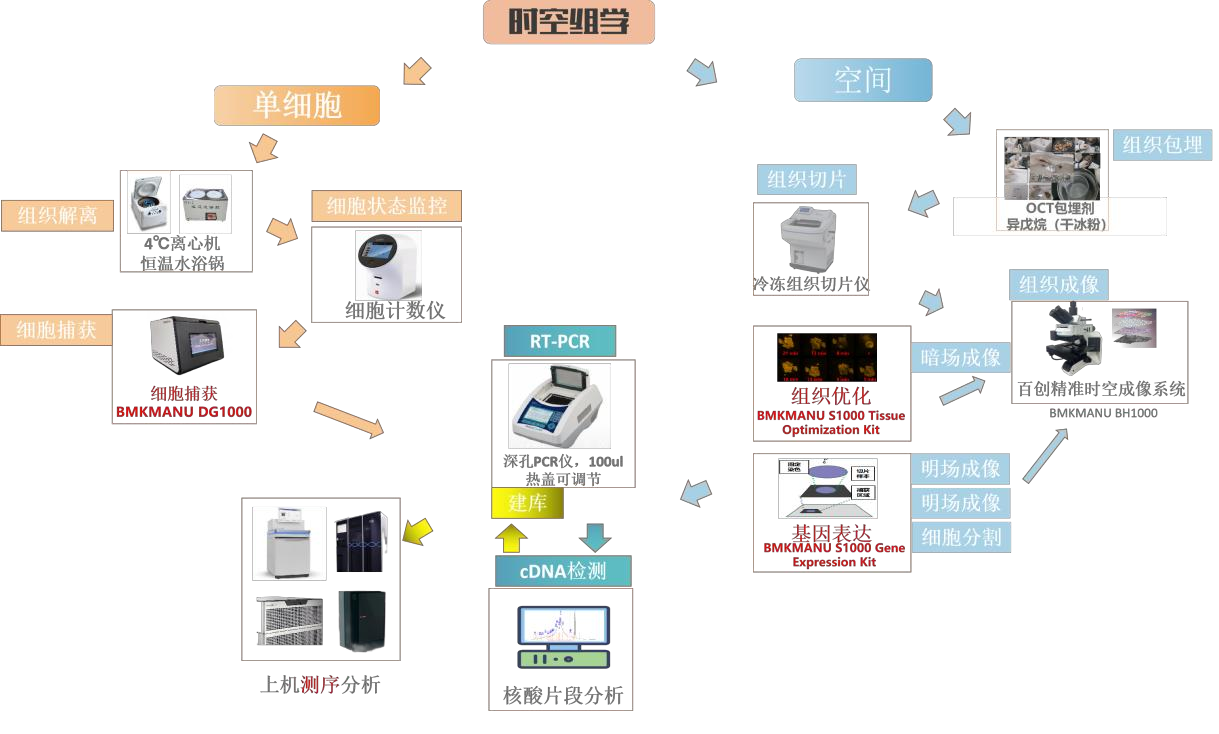
The BMKMANU Spatiotemporal Platform provides a one-stop solution for building a local spatiotemporal omics laboratory, covering the main core instruments required for single-cell and spatial experiment platforms; related experimental training and software training are provided free of charge.
Once the BMKMANU spatiotemporal laboratory platform is in place, a series of single-cell procedures - tissue dissociation, high-throughput single-cell capture and library construction - can be performed independently in the laboratory, along with single-cell-resolution spatial omics procedures such as tissue embedding, cryosectioning, imaging, tissue optimization, tissue expression and empty-library construction.
Once the BMKMANU spatiotemporal laboratory platform is in place, a series of single-cell procedures - tissue dissociation, high-throughput single-cell capture and library construction - can be performed independently in the laboratory, along with single-cell-resolution spatial omics procedures such as tissue embedding, cryosectioning, imaging, tissue optimization, tissue expression and empty-library construction.
BMKMANU Spatiotemporal Platform - Single-cell library preparation system
Microfluidic chips rapidly partition samples (single cells); sequence tags are then added and the oligo is cleaved chemically, enabling dynamic 3' transcriptome expression profiling and analysis of thousands to tens of thousands of single cells.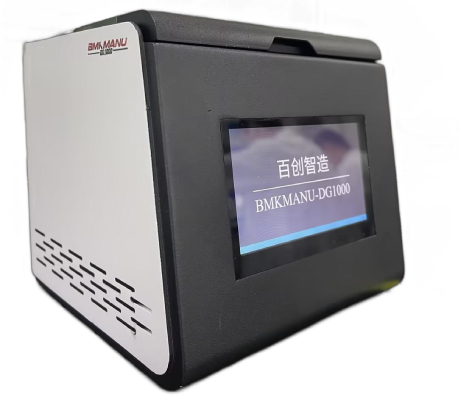
BMKMANU DG1000
- Instrument weight:3.5KG
- Instrument dimensions:185mm*165mm*155mm
- Samples per run: 1-8; up to 96,000 cells captured; system run time: 110 s
- Sample type: eukaryotic cells, nuclei
- Cell diameter compatibility:≤60μm
- Capture efficiency:50%-70%
- Doublet rate:0.5%/1000cell
- Chip specifications:2 X 4
Product advantages
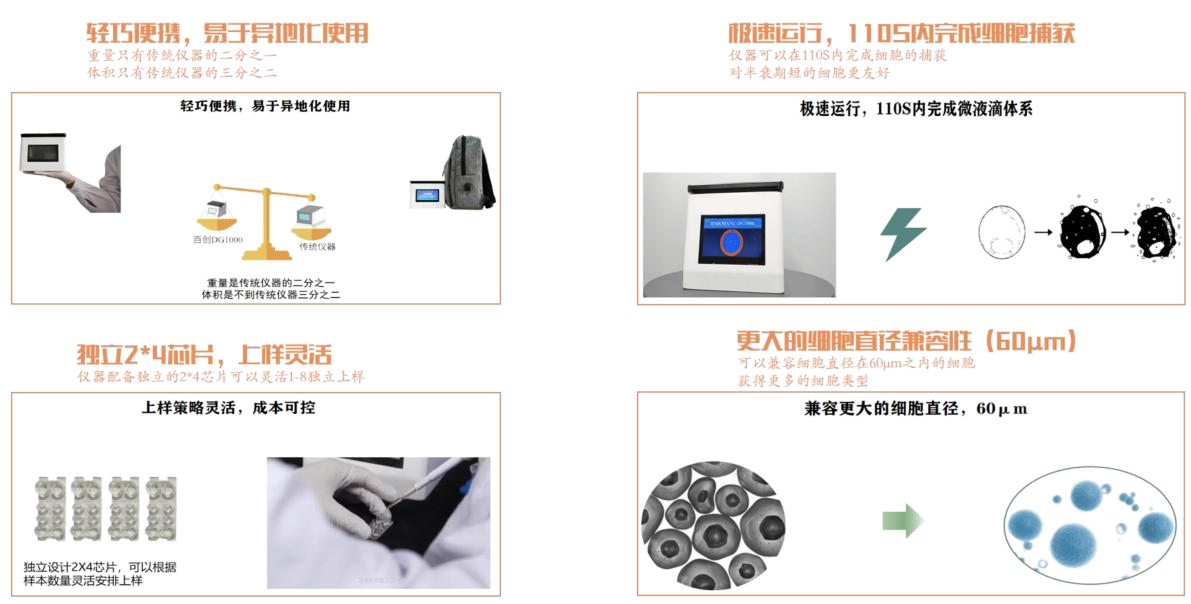
Technical parameters
High sample compatibility
Compatible with adherent cells, suspension cells, tissue, blood, nuclei and more
Wide variety of beads
Approximately 900,000 bead types, generating 120,000-150,000 microdroplets per run
Extra-long cell barcode
Cell barcode of about 54-56 bp, offering better compatibility with third-generation sequencing, especially ONT sequencing.
High sequencing compatibility
Compatible with common domestic and international second- and third-generation sequencing platforms: Illumina, BGI, Genemind, ONT and PacBio
Analysis-friendly
Provides BSCMatrix, a free and open-source single-cell analysis software, and exports matrix files fully compatible with Seurat and Scanpy
Customizable instrument parameters
Development can be carried out for target species, with dynamic pressure parameters adjusted once stable; for example, enzyme systems and parameters have been designed for DG1000 on marine species and plant nuclei
BMKMANU Spatiotemporal Platform - High-resolution spatial omics platform
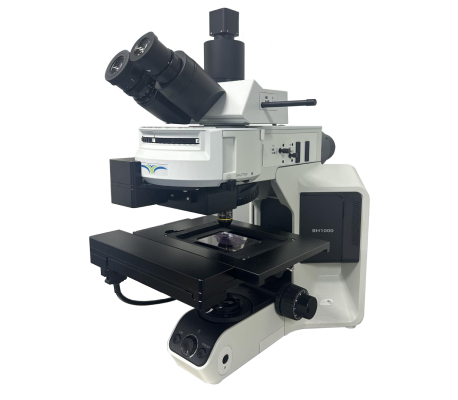
- Automated scanning: unattended operation; automatically scans the target region and performs automated image processing
- Objective configuration: standard high-qualityplan-apochromatic objective, 20x objective, numerical aperture N.A. >= 0.8, supporting expansion with up to 4 objectives
- Separate multi-channel fluorescence module: supports 7 fluorescence channels, each with an independent sensor and motorized switching; brightfield, DAPI, FITC, CY3 and CY5 included as standard
- Scanning resolution: 20x objective, scanning image resolution <= 0.28 um/pixel
- Scanning speed: 20x objective, 8 mm x 8 mm scan in < 50 s
- Dual light-source system: brightfield - halogen lamp; fluorescence - stroboscopic LED source, effectively preventing fluorescence quenching of samples
- Integrated design: highly integrated; automatic scanning of fluorescence slides without a darkroom
- Preview camera: high-speed preview scanning camera for rapid whole-chip imaging; >= 2 MP
- Scanning camera: high-definition brightfield imaging; >= 5 MP; frame rate >= 75 FPS (2448x2048); CMOS sensor; pixel size <= 3.45 um x 3.45 um; USB 3.0 interface
- Scanning area: supports scanning areas up to 25 mm x 60 mm
Compatible with BMKMANU S-Series spatial transcriptomics chips
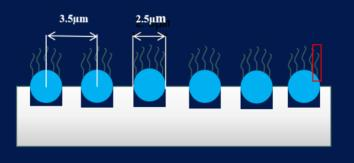
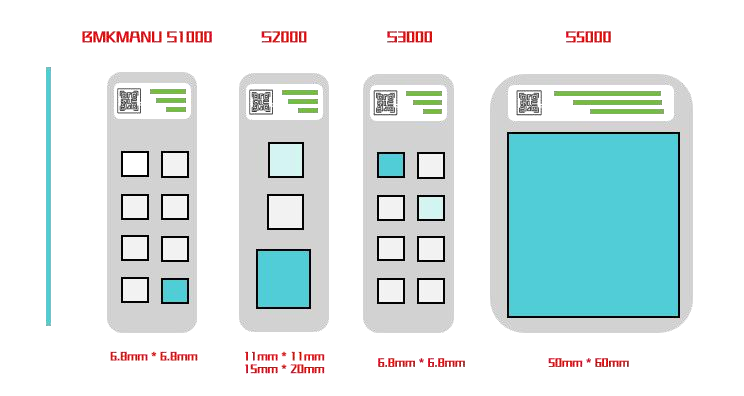
The BMKMANU S-Series spatial transcriptomics chip is a subcellular-resolution spatial transcriptomics chip based on microwell beads on transparent glass. It supports high-definition error-free H&E staining, error-free fluorescence staining and high-throughput sequencing on the same slide for cell segmentation to achieve single-cell-resolution spatial transcriptomics. It has been widely applied in organ development, tumor heterogeneity, neuroscience, immune infection, stress response, biological evolution and other fields.
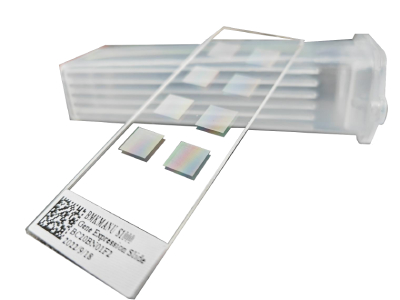
Chip specifications
 |
 |
|
Bead diameter: 2.5 um
Resolution: 3.5 um
|
Advantages of the spatial imaging system
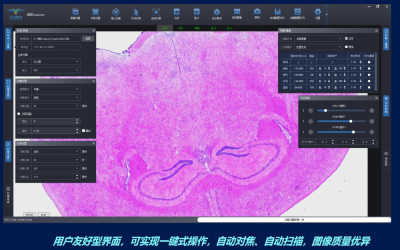
Simple operation, friendly interface
Simple scanning operation and a user-friendly interface, with preset multi-channel combinations.
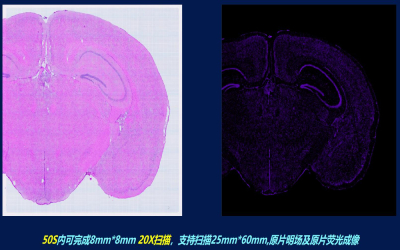
Ultra-fast scanning over a large area
Fast scanning: an 8 mm x 8 mm scan is completed within 50 s at 20x, and areas up to 30 mm x 60 mm are supported.
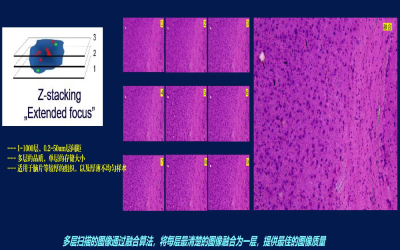
Compatible with multi-layer fusion scanning
Supports single-layer, multi-layer and multi-layer fusion modes. Multi-layer mode supports depth-of-field extension, using a fusion algorithm to combine multi-layer images for better image quality while using the storage size of a single layer.
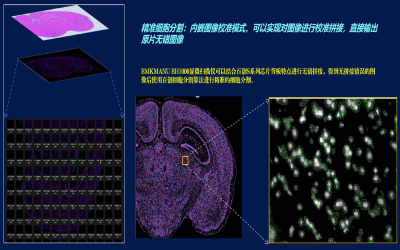
Error-free image stitching with built-in cell segmentation software
The instrument performs error-free image stitching with high-resolution BMKMANU S-Series chips and has built-in cell segmentation software.
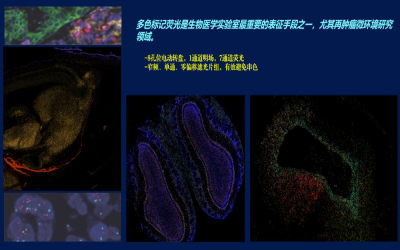
Seven-channel multicolor fluorescence
Equipped with 7 separate fluorescence channels with motorized switching, each channel having its own independent sensor.
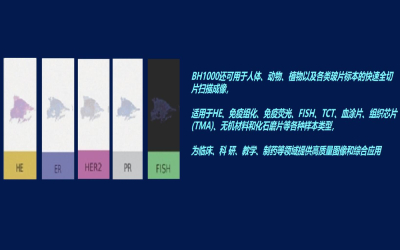
More pathology scanning scenarios
It can also be used for rapid whole-slide scanning imaging of human, animal, plant and various slide specimens, and is suitable for HE, immunohistochemistry, immunofluorescence, FISH, TCT, blood smears, tissue microarrays (TMA), inorganic materials and fossil thin sections, among other sample types.
BMKMANU Spatiotemporal Platform - Upright/inverted fluorescence imaging system
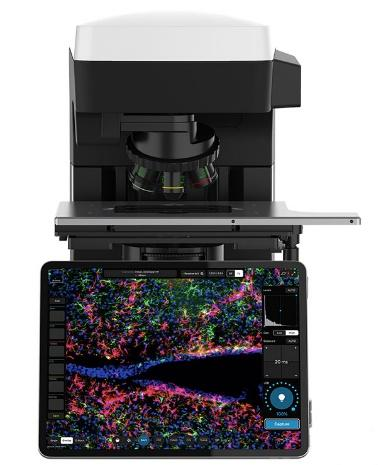
- Research-grade microscope with both upright and inverted observation;
- Detachable stage with highly adaptable adapters;
- Remote magnetic controller for switching coarse and fine focus and for imaging;
- Built-in Wi-Fi, Bluetooth, AirDrop, Internet and USB data transfer, with a detachable Wi-Fi module for image browsing and system control;
- Display resolution >= 2732x2048, 264 ppi, at the limit of human visual acuity; touchscreen; software upgradeable online; screen sharing supported, suitable for remote meetings and similar scenarios;
- Software-programmed motor control for Z-axis adjustment;
- Cameras: color digital camera (12 MP sensor, 120 FPS); monochrome camera (5.0 MP sensor, 30 FPS) with automatic switching;
- 5-channel motorized turret with one-click software switching of light paths;
- Condenser standard: NA >= 0.30, WD >= 73 mm, 5-position turret; optional: NA >= 0.85, WD >= 7 mm;
- Light source system: automated fluorescence system (DAPI, FITC, TRITC, CY5; 4 fluorescence channels; customizable light-cube wavelengths) + 1 brightfield/phase-contrast channel; independent LED light source with >= 50,000 h lifetime and adjustable power;
- Supports any 45 mm threaded objective, including air, oil and water-immersion objectives, and can record objective information;
- Automated operation: automatic exposure via touchscreen; automatic merging of 5 fluorescence channel images with individual fluorescence images saved automatically; touchscreen-based counting, length measurement and area measurement, with up to 5 parallel groups.
Objective configuration
- Standard objectives: 4x fluorite phase-contrast objective, NA >= 0.13, WD >= 17 mm; 10x fluorite phase-contrast objective, NA >= 0.30, WD >= 10 mm; 20x fluorite phase-contrast objective, NA >= 0.45, WD >= 6.6-7.8 mm; 40x fluorite objective, NA >= 0.75, WD >= 0.51 mm; 100x fluorite objective, NA >= 1.45, WD >= 0.17 mm; many other objectives are also available
- Compatible with many objective types (45 mm threaded), including air, oil and water-immersion objectives, with automatic recording of objective information.
Advantages of the upright/inverted fluorescence imaging platform
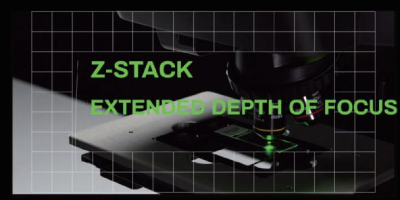
The motorized Z-axis easily images multiple focal planes layer by layer and automatically combines them into a large depth-of-field image, so fluorescence images of thicker samples at high resolution are no longer blurred by insufficient objective depth of field, improving Z-axis resolution.
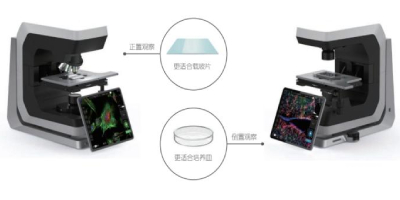
The main unit rotates; by rotating it to change the objective orientation, the objective can be above for upright observation or below for inverted observation
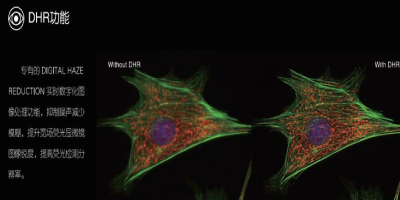
10x built-in eyepiece for full-field imaging; the field of view can be magnified 2x.
BMKMANU Spatiotemporal Platform - Fully automated nucleic acid analysis system
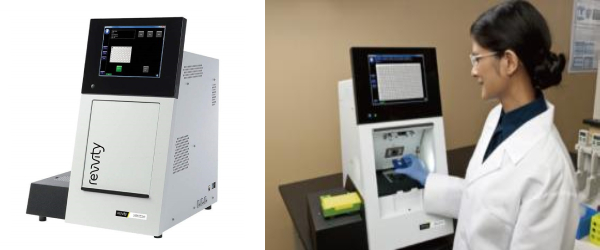
Main applications
Nucleic acid fragment analysis (based on microfluidic chips and fluorescence detection)
Technical principle
Based on microfluidic Lab-on-Chip separation and fluorescence detection, enabling rapid separation and detection of trace samples
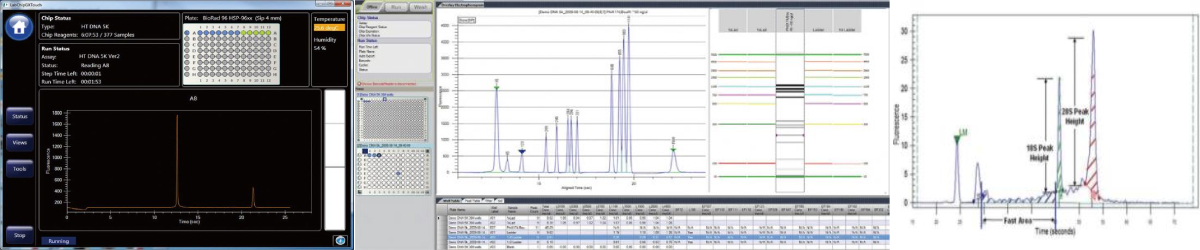
Technical parameters
- - Separation medium: patented linear polymer gel and non-toxic fluorescent dye;
- - Sample compatibility: analysis of various DNA and RNA samples, including genomic DNA, smear samples, PCR and multiplex PCR products, total RNA and mRNA; DNA fragment size separation: 25 bp-40,000+ bp; sensitivity <= 0.5 pg/ul/band; smear analysis detection sensitivity: 0.2 pg/ul; detection sensitivity for RNA analysis <= 500 pg/ul;
- - Quantification: molecular weight and concentration of sample bands determined using molecular weight standards and internal standards;
- - Sample loading: minimum loading volume 10 ul; sample volume consumed less than 0.2 ul;
- - Throughput: 1-24 samples per run, with flexible loading;
- - Analysis speed: DNA analysis up to 30 s per sample, RNA analysis up to 80 s per sample;
- - Plate compatibility: 96-well and 384-well plates;
- - The chip is reusable; no more than 1,000 uses are recommended, and forDNA samples no more than 500 uses;
- - Quantitative analysis: provides a genomic DNA integrity score (0-5) and an RNA quality score to assess RNA sample integrity (28S/18S and other metrics); once a single sample is measured, DNA integrity quality scores and other metrics are given directly, peak molecular weights are detected automatically, concentrations are calculated and calibrated, and the total concentration proportion of each peak is computed;
- - Run speed: DNA analysis no more than 30 s per sample, RNA analysis no more than 85 s per sample;
- - Gentle on samples: near-infrared excitation and detection channels >= 600 nm minimize damage to biological macromolecules and avoid interference from impurity macromolecules and reagents;
- - Automation: fully automated workflow (gel preparation, loading, separation, detection, data analysis and tubing cleaning);
- - Simple, convenient software: no license restrictions, facilitating offline data analysis and sharing in multi-operator environments; the built-in touchscreen supports touch operation or an external keyboard and mouse; chips are recognized automatically and their use count, type and expiry are recorded;
- - Compatibility: seamless integration with liquid handling workstations, PCR machines and qPCR instruments for high-throughput, fully automated testing;
- - Result visualization: the instrument outputs a test report and can store electropherograms, peak charts, sample concentrations and fragment sizes in multiple formats; images can be displayed in detailed tables, chip sample information is recorded for easy comparison, and comparison of results across batches is supported.
BMKMANU Spatiotemporal Platform - Other additional instrument parameters
Computer configuration
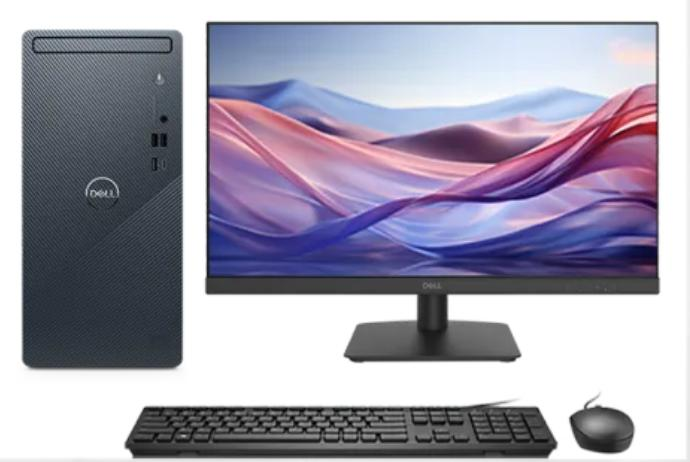
Dell computer
- i9 10-core CPU
- 64 GB DDR4 memory
- 4 GB discrete graphics card
- 512 GB solid-state drive
- 4 TB hard drive
- 27-inch monitor
- Built-in wireless network card and antenna
- Dual network ports
- Windows 10 operating system
PCR instrument and centrifuge
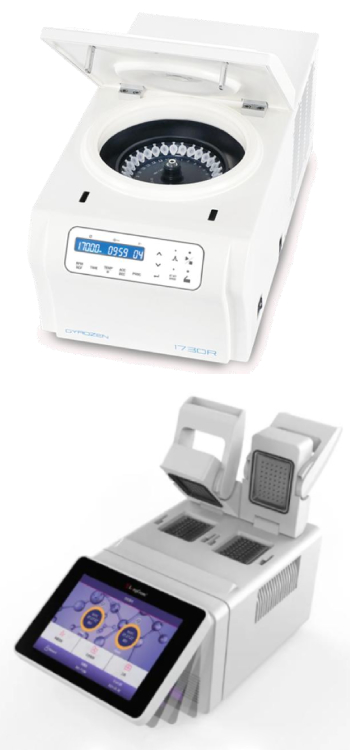
| Model | T20 |
| Sample block specification | 2 x 48-well x 0.2 mL |
| Tool-free quick replacement of Tianji series | |
| sample blocks in various specifications | |
| Language | Chinese / English |
| USB flash drive function | Unlimited program downloads via USB flash drive; system software can be upgraded |
| Communication interface | USB 2.0 and LAN |
| Temperature features | |
| Sample block temperature range | 0℃℃~105C |
| Maximum heating rate | 7.5 degC/s |
| Maximum cooling rate | 6 degC/s |
| Sample block temperature uniformity | ≤±0.2℃ |
| Sample block temperature accuracy | ≤±0.1℃ |
| Temperature display resolution | 0.1°C |
| Temperature control mode | Simulated tube + sample block mode |
| Adjustable ramp rate | 0.1~5 degC/s |
Fast cooling and sample protection with a high-performance compressor
-20 degC cooling; the Fast Cool function brings the temperature down to 4 degC in just 5 min, protecting temperature-sensitive samples and maintaining biological activity.
High speed, continuously adjustable, meeting different centrifugation needs
The 1730R refrigerated microcentrifuge is one of the essential items in molecular and cell laboratories. With a maximum speed of 17,000 rpm and a maximum RCF of 27,237 x g, it meets a wide range of centrifugation force requirements.
Larger capacity and a choice of rotors for more applications
Maximum capacity: 12 x 5 mL tubes, or 30 x 1.5 / 2.0 mL tubes, or 18 x 2.0 mL filter tubes, or 64 PCR tubes. A single sample can hold up to 5 mL; the larger sample volume per run increases throughput while making experiments faster and more efficient, saving time and effort
Other accessories
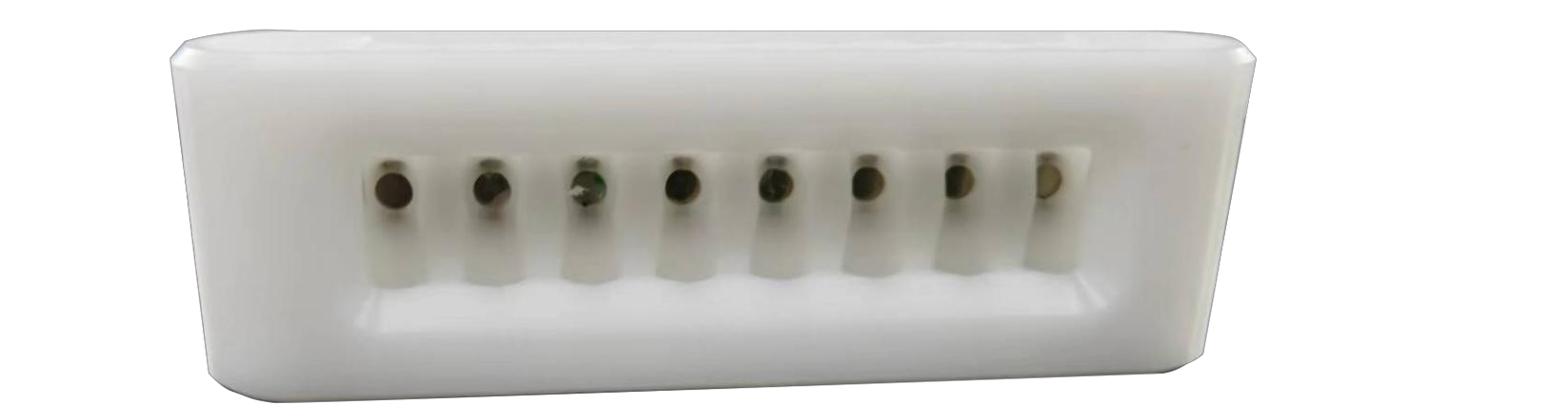
Application: the magnetic rack quickly attracts bead-bound samples to the tube wall; used together with magnetic beads, it enables separation of any target.
Specifications: fits 0.2 mL 8-tube strips; 100 mm long x 20 mm wide x 31 mm high