
BMK Releases a Cross-Species PBMC Dataset Covering 7 Species and 14 Samples!
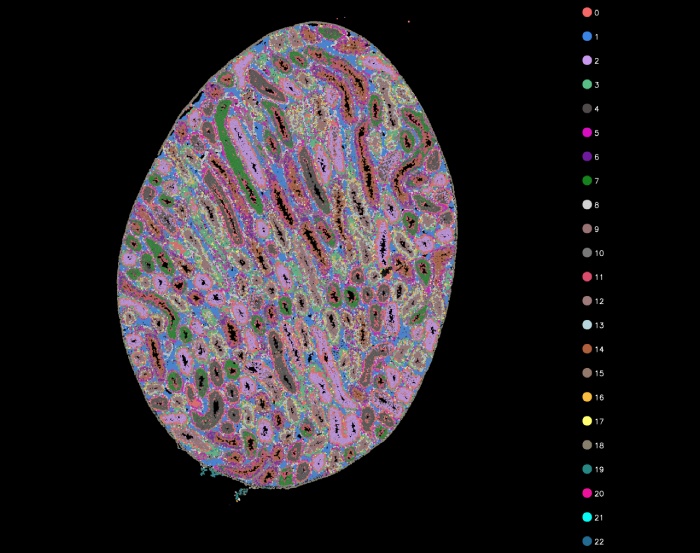
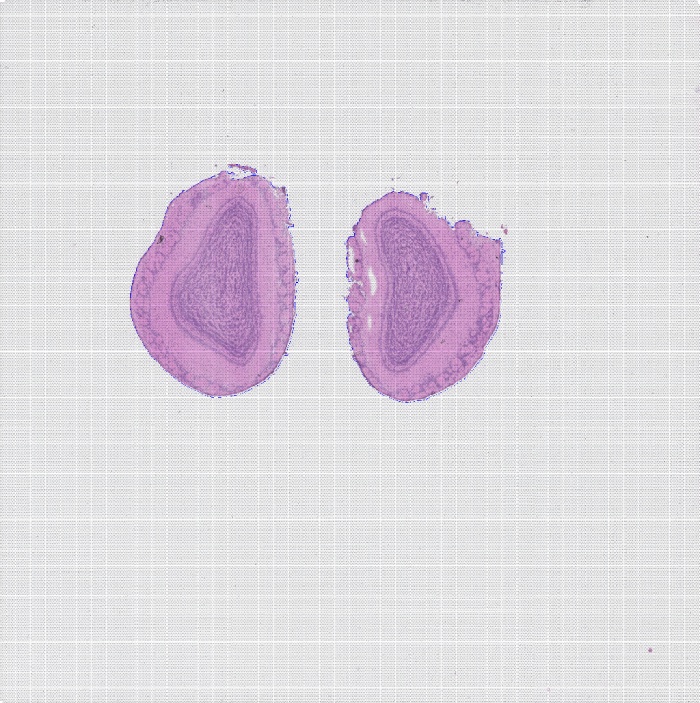
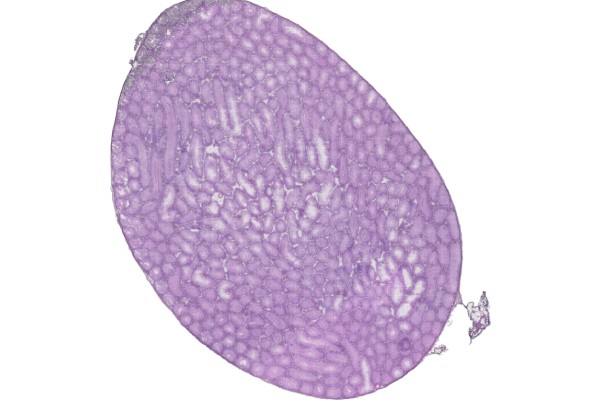
BMK S-Series Spatial Transcriptomics Cell Segmentation Demo Data — Results
2023-07-05
BMKManu S-Series Spatial Transcriptomics Cell Segmentation Demo — Download
2023-07-21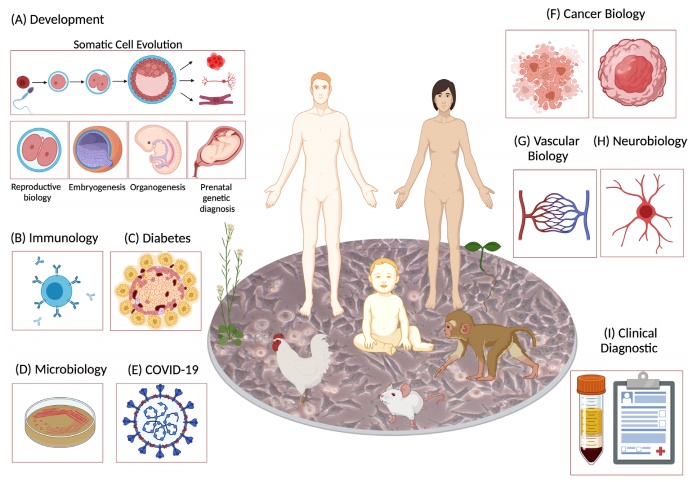
BMKManu DG1000 single-cell PBMC dataset
At the start of 2023, BMK Manufacturing released PBMC data for 7 species (oyster, Sebastes schlegelii, yellow catfish, soft-shelled turtle, chicken, rat and human) and 14 samples in total, covering invertebrates, fish, reptiles, birds and mammals. This release is a systematic, free PBMC dataset produced on a domestic single-cell platform, available for any researcher to download and use at no cost [download link at the end of this article].

BMK DG1000 cross-species PBMC data
Peripheral blood mononuclear cells (PBMC) are mononuclear cells in peripheral blood, including lymphocytes and monocytes, and serve as an effective vehicle for single-cell immune-related research.

t-SNE plots of single-cell PBMC data for 7 species and 14 samples on BMKMANU DG1000

Applications of single-cell sequencing
Single-cell mRNA sequencing (scRNA-seq) enables transcriptome studies at the single-cell level, greatly increasing the “pixel” resolution of research on organs or tissues composed of multiple cell types, and has quickly become an irreplaceable method for studies of humans, animals and plants alike[1], helping researchers better understand the different cell types, signaling patterns and developmental processes within organs or tissues.

Applications of single-cell RNA sequencing technology
With the development of single-cell research, studies are no longer confined to a single species; a growing number of studies involve multiple species.

In 2019, a study published in Cell collected brain tissue from 18 evolutionarily distant species for single-cell transcriptome sequencing[2]. The researchers found that microglia express a conserved core gene program of orthologous genes shared from rodents to humans, including receptors and ligands related to interactions between glial cells and neurons.

Quantitative analysis of microglial morphology in evolutionarily distant animals
In May 2022, to determine intestinal conservation across species, researchers collected ileal tissue from mice, rats, pigs, macaques and humans and then performed scRNA-seq analysis[3].

Conserved cell types and functions of the cross-species ileal epithelium
In 2013, “single-cell sequencing technology” was named Method of the Year by Nature; the 2019 honor went to “single-cell multi-omics.” In recent years, research based on high-throughput single-cell sequencing has flourished. Although many single-cell transcriptomics platforms exist, the mainstream commercial single-cell sequencing technologies (including instruments and consumables) remain under the control of overseas companies, keeping research costs high.
To break the long-standing overseas technological monopoly on single-cell reagents, consumables and instruments, lower the cost of single-cell applications and allow more researchers to benefit from single-cell technology, BMK Manufacturing — after years of dedicated R&D — released its innovatively developed single-cell microdroplet platform, the BMKManu DG1000, in late May 2022.

BMKManu DG1000 single-cell platform
In April 2022, BMK Manufacturing released another important component of spatiotemporal omics — the spatial transcriptomics product: a subcellular-resolution spatial transcriptomics chip based on microwell beads, BMKMANU S1000.

BMKManu S1000 spatial transcriptomics
Download link for the BMK PBMC dataset: https://pan.baidu.com/s/17Yw3j7eZHEXjADKSUNXGIw
Access code: BMKM
References
[1] Jovic, Dragomirka et al. “Single-cell RNA sequencing technologies and applications: A brief overview.” Clinical and translational medicine vol. 12,3 (2022): e694. doi:10.1002/ctm2.694
[2] Geirsdottir, Laufey et al. “Cross-Species Single-Cell Analysis Reveals Divergence of the Primate Microglia Program.” Cell vol. 179,7 (2019): 1609-1622.e16. doi:10.1016/j.cell.2019.11.010
[3] Li, Haonan et al. “Cross-species single-cell transcriptomic analysis reveals divergence of cell composition and functions in mammalian ileum epithelium.” Cell regeneration (London, England) vol. 11,1 19. 5 May. 2022, doi:10.1186/s13619-022-00118-7
Related posts

Warning: Trying to access array offset on value of type bool in /www/wwwroot/10.3.128.39/wp-content/themes/betheme/functions/theme-functions.php on line 1467